

A licensing fine is just a paperwork penalty. Until you look at who paid it.
The Pennsylvania Gaming Board fines MGM Resorts $50,250 for failing to file a Principal Licensing application on time. That’s it. No cheated player, no rigged game, no unlicensed table running in a back room. A form arrived late, and one of the largest casino companies on earth wrote a five-figure cheque.
Which is exactly why the case is worth walking through. Sit in on a single monthly meeting of the Pennsylvania Gaming Control Board and you get a compressed lesson in how a mature regulator actually spends its enforcement time: chasing filings, tracking who owns whom, and banning people from casino floors. Let’s take that meeting item by item.
Item one: two consent agreements, $100,250 between them
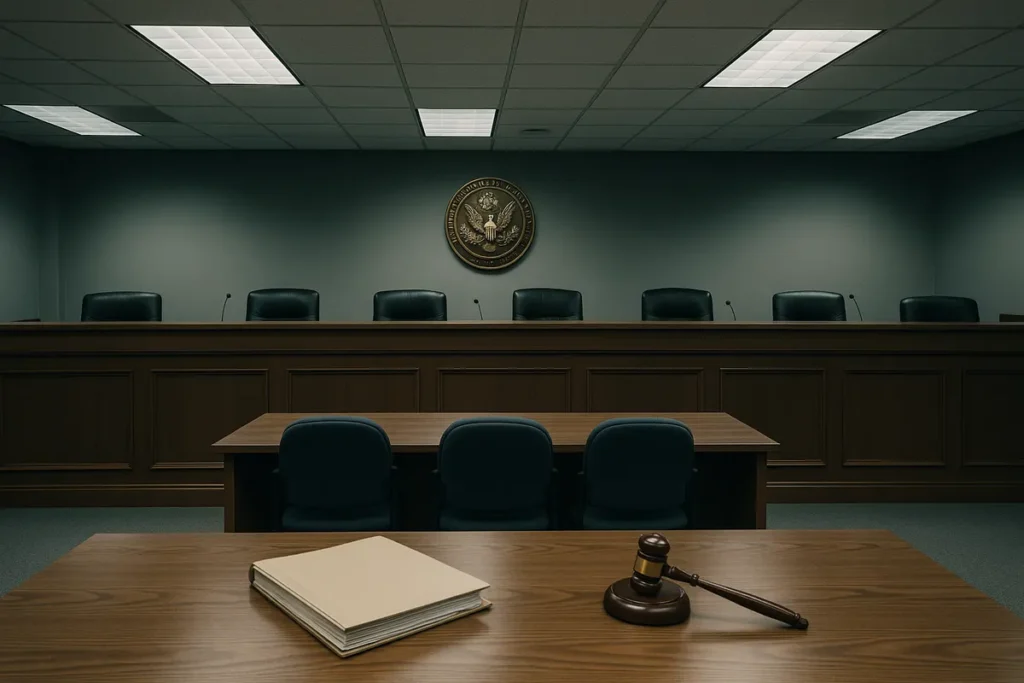
The Board’s Office of Enforcement Counsel (OEC) brought two settlements to the public monthly meeting, and the Board approved both. Consent agreements are the workhorse of gaming enforcement. Nobody goes to a hearing, nobody argues; the licensee agrees to the facts and the number, the Board signs off in public.
| Licensee | Amount | Violation |
|---|---|---|
| MGM Resorts International | $50,250 | Failure to timely file a Principal Licensing application |
| CountR GmbH (Germany) | $50,000 | Unapproved change of control of its licence; failure to pay required licensing fees |
The CountR payment does double duty: under the agreement, the $50,000 to the Board settles the company’s unpaid licence.
Item two: why a late form costs a company like MGM $50,250
Start with what a principal licence is. In Pennsylvania, as in most US jurisdictions, the state doesn’t just vet the company holding a casino or interactive gaming licence. It vets the humans and entities behind it, people with ownership stakes, board seats, or the practical ability to direct how the business runs. Those are principals, and each one needs approval in their own right.
The logic is straightforward. A licence is a statement that the regulator knows who is standing behind the operation. Let principals rotate in and out without filings, and that statement quietly stops being true. Suitability review only works if it happens before someone takes the chair, not after.
So the violation here isn’t clerical fussiness. It’s a gap, however brief, between who the state had approved and who was actually in a position of influence. Note the oddly precise figure too: $50,250, not a round $50,000. Negotiated numbers in consent agreements usually carry that texture, which tells you the amount was worked out against specific facts rather than pulled off a standard tariff.
The practical takeaway for anyone running compliance at a multi-state operator: the calendar is a compliance risk. Deadlines for principal filings attach to corporate events, appointments, promotions, share transfers, restructurings, that happen on the business side of the house, often without anyone thinking “this triggers a licensing obligation in seven states.” MGM’s size is the point. If a company with a dedicated regulatory affairs function can miss the window, a smaller operator with one compliance manager and a spreadsheet almost certainly can.
Item three: the change-of-control trap that caught CountR
CountR GmbH is a German supplier, and its case is the more instructive of the two for anyone selling technology or equipment into the US market.
Two failures sit inside one settlement. The change of control of its licence happened without approval, and the required licensing fees went unpaid. Change-of-control provisions exist for the same reason principal licensing does: if a licensed vendor is acquired, recapitalised, or restructured, the entity the regulator approved is no longer quite the entity doing business. Pennsylvania wants to look at the new owners first. Many suppliers treat a sale or an investment round as a purely corporate matter, close it, then notify regulators as a housekeeping step. That order of operations is the trap.
The unpaid fees compound it. Licence fees are the least glamorous obligation in gaming and one of the easiest to lose in a transition, particularly when a corporate parent changes and nobody inherits the renewals calendar. Supplier licences in the US are not cheap to hold and not cheap to neglect.
Worth keeping in perspective: a $50,000 settlement is not a company-ending event. The real cost for a supplier is the disclosure. Every future licence application, in Pennsylvania and everywhere else, will ask about prior regulatory action, and this one now has to be explained each time.
Item four: 10 more names, and a total of 1,507
The same meeting placed 10 individuals on the Board’s various Involuntary Exclusion Lists. That brings the running total to 1,507 people.
Exclusion in Pennsylvania is broader than most people assume. Placement on a list can bar someone from gambling at a Pennsylvania casino, from using an online betting site regulated by the Board, and from playing at Video Gaming Terminal locations. It follows the person across channels, not just through one casino’s doors, which is what “statewide gambling privileges” means in practice.
One of the 10 cases was spelled out. An adult was added to the Involuntary Casino Exclusion List after leaving a 5-year-old unattended in the parking garage at Harrah’s Philadelphia Casino for 36 minutes while he played slot machines.
Thirty-six minutes. In a parking garage. That is the kind of detail a regulator publishes on purpose, because a number makes a warning stick in a way that a policy statement never does. The Board’s position is plain: adults may not leave minors unattended in a casino parking lot or garage, hotel, or other casino venue, because it creates a potentially unsafe environment for children. To back up what casinos are already doing on the ground, the Board runs an awareness campaign, Don’t Gamble with Kids.
What one meeting tells you about how modern gaming regulation works
Read the docket as a whole and a pattern emerges. Enforcement in a developed US market is mostly not about catching cheats. It is about keeping the paper trail accurate, licensees, owners, fees, filings, and about removing individual players from the ecosystem when conduct warrants it. Both halves of that work are unglamorous. Both are how a regulator maintains any credible claim to know what is happening inside its own market.
Three things to carry away:
- Corporate events are licensing events. An appointment, a share transfer or an acquisition should trigger a regulatory checklist on the same day it triggers a legal one, not weeks later.
- Suppliers are licensees, not vendors. CountR being German and equipment-focused changed nothing about its obligations in Pennsylvania. If you hold a licence, change of control needs approval before it happens.
- Exclusion is the sharper tool. A fine is a cost of doing business. Being barred from every regulated casino, betting site and VGT location in a state is not.
For players, the exclusion list is a reminder that the same infrastructure works voluntarily too. Pennsylvania, like every regulated market, offers self-exclusion, cool-off periods and deposit and loss limits to anyone who wants them, no Board hearing required. Gambling carries a built-in house edge and should be treated as paid entertainment, never as a way to make money. If it stops feeling like entertainment, those tools are there, and using them yourself is a great deal easier than having the state do it for you. The Pennsylvania Gaming Control Board publishes both the enforcement actions and the help resources in the same place, which is probably the most honest thing about the whole meeting.

Leave a Reply